Cloud Computing Models
Cloud Computing Models
Cloud Computing Models
Cloud computing enables software developers and IT departments to focus on important issues and get rid of monotonous tasks such as procurement, maintenance and capacity planning. Over time, the popularity of cloud computing has increased, and different models and deployment strategies have emerged to help meet the needs of different users. Each cloud service type and deployment method provides different levels of control, flexibility, and management.
There are three main cloud computing models. Each model represents a different part of the cloud computing stack.
1 - Infrastructure as a Service (IaaS): Infrastructure
as a Service, sometimes abbreviated as IaaS, contains the basic building blocks
for the cloud IT system and generally provides access to network features,
computers (in virtual or dedicated hardware) and data storage.
Infrastructure as a Service offers the highest level of flexibility and
management control over your IT resources and offers similar resources to
existing IT resources that many IT departments and software developers are
familiar with today.
2 - Platform as a Service (PaaS): Platform as a service enables organizations to focus on application deployment and management by eliminating the need for infrastructure (generally hardware and operating systems) management. This helps you not to worry about resource provisioning, capacity planning, software maintenance, patches, or other similar demanding tasks related to running your application, so you can work more efficiently.
3 - Software as a Service (SaaS): Software as a Service offers a complete product operated and managed by the service provider. Software as a Service is often used to refer to end user applications. With SaaS offering, you don't have to worry about service maintenance or management of infrastructure. The only thing you have to think about is how to use this software. A common example of SaaS applications are web-based e-mail applications where you can send and receive e-mail without worrying about managing features to be added to the e-mail product or maintaining the servers and operating systems that the e-mail program runs on.
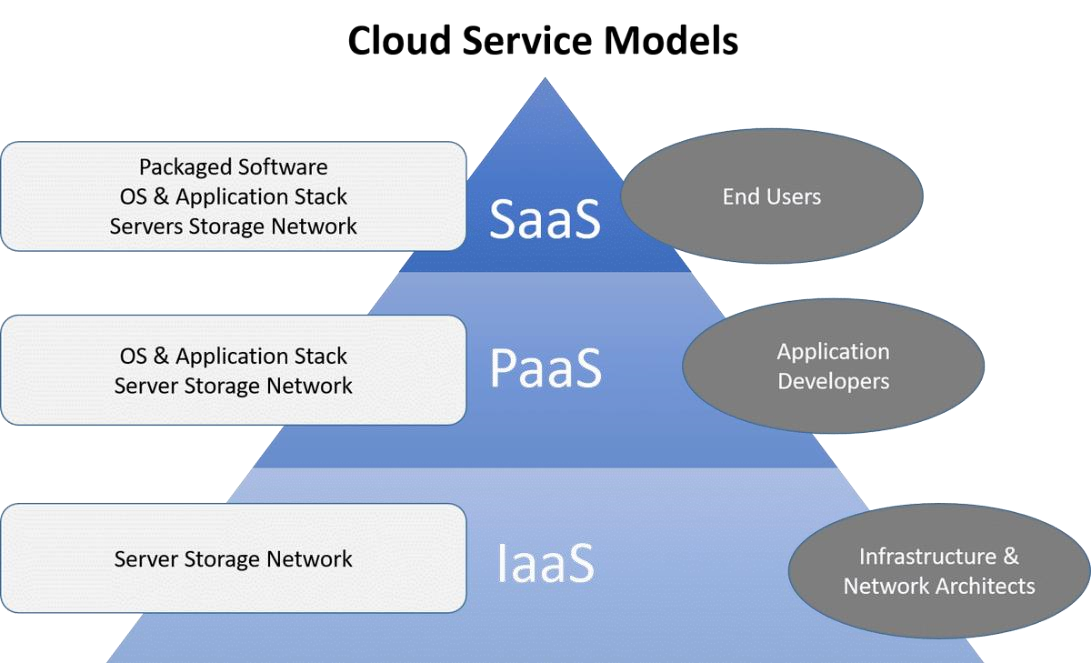
Figure 2: Hierarchically Cloud Service Model
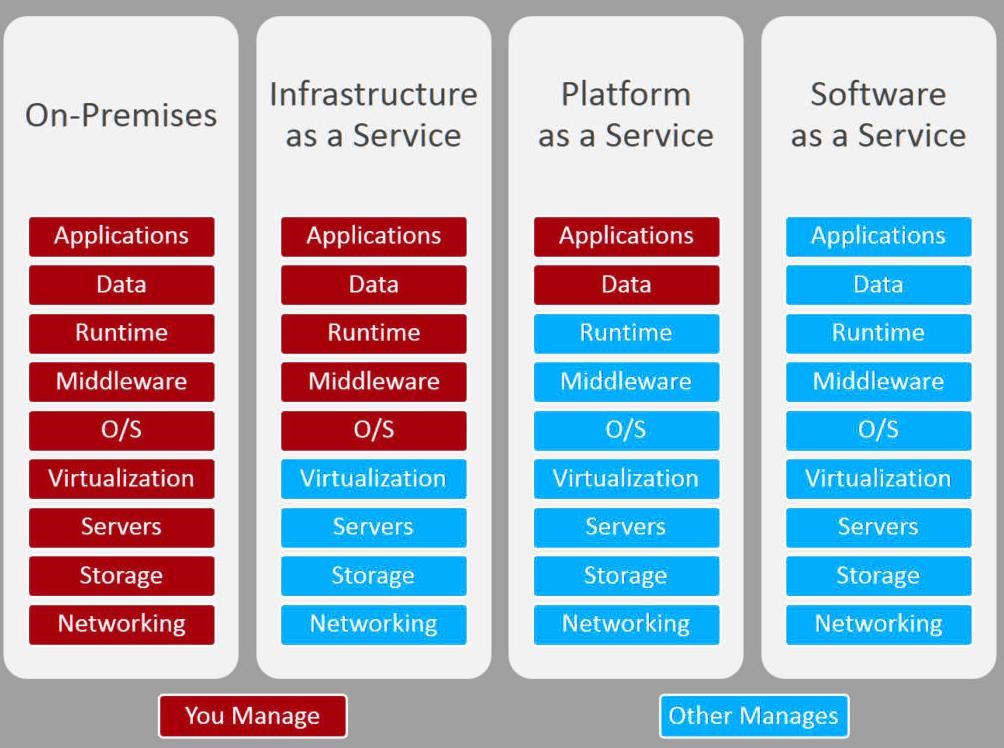
Figure 3: Actions to be Managed by the Cloud Service