
Introduction
Short history of Raspberry Pi
The Raspberry Pi Foundation is a UK-based charity that was founded in 2009 by a group of educators and computer engineers. The organization's goal is to promote the study of computer science and related topics, especially at the school level, and to put the power of digital making into the hands of people all over the world.
The first Raspberry Pi hardware, the Model B, was released in 2012. It was a small, single-board computer that was designed to be low-cost and easily accessible to students and hobbyists. The Model B featured a 700 MHz ARM processor, 256MB of RAM, and a USB port.
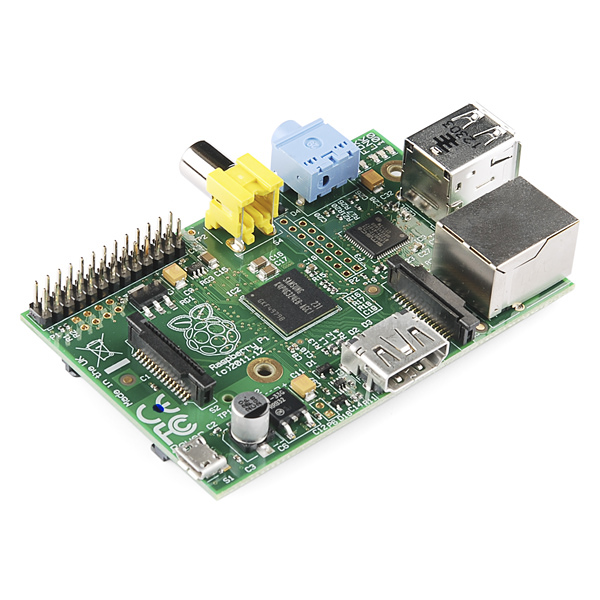
Over the years, the Raspberry Pi Foundation has released several updated versions of the Raspberry Pi, including the Model A, Model B+, Model 2, Model 3, Model 4, and the latest Model 400. Each new version has featured improved performance, updated ports and connectivity options, and additional features such as built-in WiFi and Bluetooth.
In addition to the Raspberry Pi boards, the foundation also produces and sells a variety of accessories and peripherals, such as cases, power supplies, and cameras, to help users get the most out of their Raspberry Pi.
Raspberry Pi has become a very popular choice among hobbyists, educators, and industrial users. With its low cost and high performance, it has been used in a wide variety of projects such as home automation systems, media centers, gaming systems, and even as a desktop computer replacement. The success of the Raspberry Pi has also led to the creation of a large and active community of users and developers who share their projects and knowledge online.